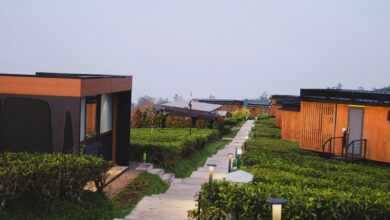
The global tourism industry is currently witnessing a massive shift in how travelers define the concept of a high-end vacation experience. For many years, luxury was synonymous with excessive consumption and a total disregard for the environmental consequences of such indulgence on the planet. However, a new generation of conscious travelers is demanding a different approach that aligns with their personal values regarding environmental preservation. This growing demand has led to the rise of eco-certified luxury hotels that prioritize sustainability without sacrificing the comfort or elegance that guests expect. These properties are proving that it is possible to offer world-class service while maintaining a net-zero carbon footprint through innovative technology.
Certification from international bodies provides a layer of trust and transparency for guests who want to avoid greenwashing. As we move forward, these green standards are becoming the new baseline for excellence in the global hospitality market. Travelers now look for deeper meaning in their journeys and want to know that their stay contributes to the protection of local ecosystems. This transformation is not just a passing trend but a fundamental reimagining of what it means to travel responsibly. By staying at these certified properties, guests are directly supporting the future of a more sustainable and ethical travel industry.
Sustainable Energy and Power Management

A. Solar Energy Integration
Many luxury hotels are now installing massive solar arrays to capture clean energy directly from the sun to power their operations. This reduces the reliance on traditional power grids that often depend on fossil fuels for electricity generation. Modern solar technology allows these properties to be self-sufficient even in remote island or desert locations.
B. Wind Power Utilization
Properties located in high-wind areas are increasingly utilizing small-scale wind turbines to supplement their energy needs throughout the day and night. These turbines are designed to be quiet and visually unobtrusive so they do not disturb the peaceful atmosphere of the resort. This diversification of energy sources ensures a stable and green power supply for all guest amenities.
C. Geothermal Heating and Cooling
Geothermal systems use the constant temperature of the earth to provide efficient heating and cooling for large hotel structures. This technology drastically reduces the energy required to maintain a comfortable indoor environment for guests in extreme climates. It is a silent and highly effective solution for luxury properties that want to minimize their carbon footprint.
D. Smart Grid Technology
Advanced smart grids allow hotel managers to monitor and optimize energy usage across the entire property in real-time. These systems can automatically adjust lighting and temperature in unoccupied areas to prevent any unnecessary waste of precious resources. Data-driven energy management is a key requirement for achieving top-tier international eco-certifications.
Water Conservation and Waste Systems
A. Desalination and Filtration
Luxury resorts in water-scarce regions are investing in their own desalination plants to produce fresh water from the sea. These plants are often powered by renewable energy to ensure that the process does not add to the local carbon output. Advanced filtration systems also ensure that every drop of water used is of the highest quality for guests.
B. Greywater Recycling Programs
Greywater from sinks and showers is collected and treated so it can be reused for landscaping and toilet flushing. This circular water system significantly reduces the total amount of fresh water the hotel needs to draw from local sources. It is an essential practice for protecting the local water table in sensitive ecological zones.
C. Rainwater Harvesting
Architects are designing modern luxury hotels with integrated systems to catch and store rainwater for various non-potable uses. This harvested water is perfect for maintaining lush tropical gardens without putting a strain on the municipal water supply. These systems are often hidden within the beautiful design of the building to maintain the luxury aesthetic.
D. Zero Plastic Initiatives
Eco-certified hotels are leading the way by completely removing single-use plastics from their guest rooms and dining areas. They replace plastic bottles with high-quality glass or metal alternatives and use biodegradable materials for all room amenities. This commitment prevents thousands of tons of plastic waste from entering the ocean every year.
Culinary Excellence and Ethical Sourcing
A. Organic On-Site Gardens
Many top-tier hotels now feature their own organic gardens where chefs grow fresh herbs and vegetables for the daily menu. This reduces the carbon footprint associated with transporting food over long distances from external suppliers. Guests enjoy the freshest possible ingredients while knowing that no harmful pesticides were used in the growing process.
B. Support for Local Farmers
When items cannot be grown on-site, certified hotels prioritize purchasing from small-scale local farmers and producers in the region. This strengthens the local economy and ensures that the food served is authentic to the destination’s unique culture. It also minimizes the emissions caused by the global shipping and logistics industry.
C. Sustainable Seafood Sourcing
Responsible hotels only serve seafood that has been caught or farmed using methods that do not deplete the ocean’s natural stocks. They work closely with marine conservation groups to ensure that their menus do not include any endangered or threatened species. This protects the delicate balance of marine life in the waters surrounding the resort.
D. Composting and Food Waste
High-tech composting machines are used to turn food scraps from the kitchen into nutrient-rich fertilizer for the hotel’s landscaping. This keeps organic waste out of landfills where it would otherwise produce harmful methane gas as it decomposes. It is a perfect example of a closed-loop system that benefits both the hotel and the environment.
Green Architecture and Building Materials
A. Reclaimed and Recycled Wood
Sustainable luxury hotels often use reclaimed timber from old structures or sustainably managed forests for their interior design and furniture. This gives the property a unique and warm character while preventing the destruction of primary forests. Using recycled materials is a core requirement for many green building certifications.
B. Natural Insulation Methods
Architects use natural materials like wool, hemp, or even recycled paper to insulate buildings against heat and cold. These materials are non-toxic and provide a much healthier indoor air quality for guests compared to synthetic alternatives. Natural insulation also requires much less energy to produce, further lowering the building’s total impact.
C. Maximizing Natural Light
The design of eco-certified hotels often focuses on large windows and open spaces to reduce the need for artificial lighting during the day. This creates a beautiful connection between the indoors and the natural world outside the guest’s room. Using the sun for light is the most efficient way to lower a property’s daily energy consumption.
D. Low-VOC Paints and Finishes
To ensure a healthy environment, green hotels use paints and finishes that do not release harmful volatile organic compounds into the air. This protects both the health of the guests and the staff who work in the building every day. It is a small but vital detail that demonstrates a true commitment to holistic wellness and safety.
Community Engagement and Social Impact
A. Fair Wages and Training
Ethical luxury hotels ensure that all staff members are paid fair wages and have access to professional development opportunities. By investing in the local workforce, these properties help to lift the entire community out of poverty. Happy and well-trained staff provide the high level of service that luxury travelers expect.
B. Supporting Local Artisans
Decor and gift shops in certified hotels often feature high-quality products made by local craftsmen and artists. This provides a platform for local talent to reach a global audience and ensures that traditional skills are preserved for the future. It also gives guests a chance to take home a truly unique and meaningful souvenir.
C. Funding Conservation Projects
A portion of the profit from guest stays is often donated to local environmental or social conservation projects in the area. This allows travelers to know that their vacation is directly contributing to the protection of the place they are visiting. These projects often focus on reforestation, wildlife protection, or providing clean energy to local schools.
D. Educational Guest Experiences
Certified hotels often offer tours and workshops that teach guests about the local environment and the hotel’s sustainability efforts. This helps to create more aware and responsible travelers who will take these lessons home with them. Education is a powerful tool for creating long-term positive change in the global travel industry.
Future Tech and Innovation
A. Electric Vehicle Fleets
Luxury hotels are replacing their traditional gas-powered shuttles with quiet and clean electric vehicles for guest transfers. They also provide high-speed charging stations for guests who choose to arrive in their own electric cars. This supports the broader transition to zero-emission transportation around the world.
B. AI-Driven Resource Management
Artificial intelligence is being used to predict guest occupancy and adjust the ordering of supplies to minimize waste. These systems can also find leaks in water pipes or faults in the electrical system before they become major problems. AI is becoming an essential tool for the modern, high-efficiency green hotel manager.
C. Biodegradable Room Keys
Traditional plastic key cards are being replaced by those made from wood, bamboo, or even recycled paper. This removes a common source of plastic waste that guests often lose or discard after their stay. It is a small change that signals a deep commitment to the environment at every touchpoint.
D. Blockchain for Transparency
Some hotels are using blockchain technology to track their supply chains and prove the origin of their food and materials. This gives guests total confidence that the claims the hotel makes about sustainability are actually true. Transparency is the most valuable currency in the modern world of conscious luxury travel.
Conclusion

Finding the perfect balance between luxury and nature is finally possible. Modern travelers no longer have to choose between comfort and their own values. Eco-certifications provide the proof that a hotel is truly doing the right work. Every green stay helps to fund the technology needed to save our beautiful planet. We are seeing a future where every luxury hotel will be a green hotel. The industry is moving toward a model of total harmony with the environment. Choosing a certified property is a simple way for anyone to make a difference.
The legacy of our travels should be a healthier and more vibrant world for all. Sustainable luxury is the only way forward for the global hospitality market. We must protect the destinations that we love so much for future generations. The conscious traveler is the most powerful force for change in the world today. Thank you for choosing to support a more sustainable and ethical way to explore.