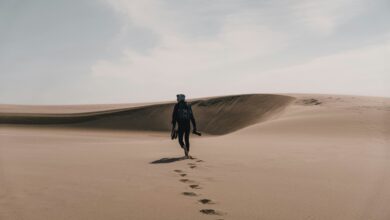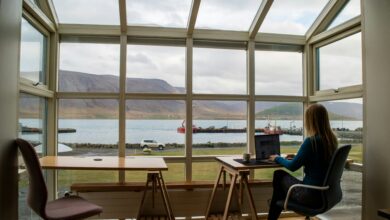
The concept of traveling alone has evolved from a niche hobby into a profound movement centered on self-discovery and mental clarity. Modern travelers are increasingly stepping away from the noise of group tours to embrace the quiet autonomy of a solo expedition. This shift is driven by a collective desire to reconnect with one’s inner self while engaging deeply with the world. A mindful solo journey is not merely about visiting a new location; it is an intentional practice of presence and awareness. Planning such an adventure requires a delicate balance between logistical precision and the flexibility to follow one’s intuition.
When you travel alone, you become the sole architect of your experience, allowing for a level of reflection that is often impossible in the company of others. This guide explores the strategic foundations required to design a journey that nourishes the soul and expands the mind. By prioritizing mindfulness, the solo traveler can transform a simple vacation into a life-altering period of personal growth and renewal. Embracing the unknown with a prepared heart allows for a deeper connection to the global community and a clearer understanding of one’s own purpose.
Establishing the Intentional Foundation of Your Trip

A. Defining Your Personal North Star
Before booking a single flight, it is essential to ask yourself what you truly hope to gain from this period of solitude. Are you seeking creative inspiration, emotional healing, or perhaps a physical challenge to test your limits? Writing down a clear intention helps guide your decisions regarding the destination and the pace of your daily itinerary. This personal anchor ensures that even when challenges arise, you remain connected to the original purpose of your trek.
B. Selecting a Destination for Solitude
Choosing the right environment is critical for fostering a state of mindfulness and internal peace. You might prefer the rhythmic waves of a secluded coastline or the ancient silence of a dense, emerald forest. Consider locations that offer safe infrastructure but are not overrun by the typical crowds of mass tourism. A place that resonates with your personal energy will make the practice of being present much more natural and rewarding.
C. Curating a Slow Paced Schedule
The greatest mistake of a solo traveler is trying to see everything at the cost of experiencing anything deeply. Mindful travel thrives on a slow tempo that allows you to linger at a local cafe or watch a sunset without checking your watch. Schedule large blocks of “unstructured time” where you can simply wander through a neighborhood or sit in a public park. This openness to the present moment is where the most profound insights and accidental discoveries usually occur.
D. Mental Preparation for Isolation
Being alone with your thoughts for extended periods can be intimidating if you are accustomed to constant digital or social stimulation. Practice short periods of silence and digital detox before your departure to build your “solitude muscle.” Understanding that loneliness is a temporary feeling while solitude is a productive state will help you navigate the emotional waves of the journey. View the upcoming quiet as a luxury rather than something to be feared or filled with distractions.
Logistical Safety and Stress Reduction Strategies
A. Building a Redundant Safety Net
Safety is the primary concern for any solo traveler, and a well-prepared person is a confident person. Share your digital itinerary and live location with a trusted friend or family member back home through secure apps. Carry both a physical and digital copy of your essential documents, and always have a secondary source of emergency funds hidden in your luggage. Knowing that your basic security is handled allows your mind to relax and focus on the beauty of your surroundings.
B. Embracing Low Impact Transportation
The way you move from one place to another significantly affects your level of mindfulness and environmental impact. Choose walking or cycling for short distances to truly see the details of the local architecture and natural flora. For longer distances, consider taking the train, which provides a meditative window into the shifting landscapes of a country. These slower modes of transport turn the transit itself into a valuable part of the meditative experience.
C. Securing Mindful Accommodations
The place where you rest your head should be a sanctuary that aligns with your values of peace and sustainability. Look for boutique guesthouses, eco-lodges, or retreats that prioritize quiet environments over high-traffic social scenes. Check for amenities like meditation cushions, yoga mats, or gardens that encourage reflection and physical well-being. A restful environment is the backbone of a successful solo journey, providing the energy needed for daily exploration.
D. Digital Boundary Setting
To remain mindful, you must limit the influence of the digital world on your physical reality. Set specific times for checking emails or updating social media, and keep your phone out of sight during meals and nature walks. Use offline maps and journals to stay grounded in the physical world rather than constantly looking at a glowing screen. Protecting your focus from the digital noise of the internet is the only way to achieve true presence in a foreign land.
Cultivating Cultural Awareness and Internal Growth
A. Practicing Deep Observation Techniques
When you are alone, you have the unique opportunity to become an invisible observer of local life and customs. Spend time sitting quietly in public squares, observing the interactions, the smells, and the sounds of the local community. This practice of deep listening and looking fosters a profound sense of empathy and cultural understanding. It allows you to move beyond the surface-level “tourist” experience and into a more meaningful human connection.
B. Engaging in Ethical Solo Interactions
Solo travel often makes you more approachable to locals, providing opportunities for authentic and respectful exchange. Approach these interactions with an open heart and a willingness to learn rather than a desire to take photos or gain social capital. Ask questions about local traditions and share small, honest details about your own culture to build mutual respect. These fleeting but deep connections are often the most memorable parts of any journey into the unknown.
C. The Role of Reflective Journaling
Maintaining a daily journal is a powerful tool for processing the emotions and insights that arise during your travels. Write about your fears, your joys, and the small details that caught your eye throughout the day. This practice helps you track your internal growth and provides a permanent record of your evolving perspective. Looking back at these entries later can offer incredible clarity on how the journey has shaped your current identity.
D. Finding Stillness in Movement
Mindfulness can be found in a challenging hike just as easily as it can be found in a seated meditation. Focus on the sensation of your feet hitting the ground or the rhythm of your breath as you climb a steep trail. By turning physical activity into a moving meditation, you strengthen the connection between your body and your mind. This physical groundedness is essential for maintaining your energy and health throughout a long solo expedition.
Nourishing the Body and the Soul
A. Mindful Solo Dining Practices
Eating alone is a beautiful opportunity to practice “sensory dining” where you focus entirely on the flavors, textures, and aromas of your food. Avoid the temptation to read a book or look at your phone while you eat; instead, savor every bite. Choose local, seasonal ingredients that tell the story of the land and support the local farming community. This practice turns every meal into a ritual of gratitude and a celebration of the destination’s culinary heritage.
B. Hydration and Physical Vitality
Traveling can be physically draining, so prioritizing your basic health is a fundamental act of self-care and mindfulness. Carry a high-quality reusable water bottle and ensure you are staying hydrated, especially in humid or high-altitude environments. Listen to your body’s signals and allow yourself to rest when you feel tired, even if it means skipping a planned activity. A healthy body is a much more effective vessel for a mindful and expansive consciousness.
C. Connecting with Natural Elements
Make a conscious effort to touch the earth, swim in natural bodies of water, or walk barefoot on the sand whenever possible. These physical connections with the natural world help ground your energy and reduce the stress of travel logistics. Nature is the ultimate teacher of presence, as it exists only in the “now” without any concern for the past or the future. Spending time in the wilderness or a quiet park is the fastest way to reset your internal rhythm.
D. The Power of Intentional Rest
In a world that celebrates constant productivity, choosing to do nothing is a radical act of mindfulness. Dedicate certain afternoons to a nap, a long bath, or simply staring at the clouds from a balcony. This intentional rest allows your mind to process the vast amount of new information it is receiving daily. It ensures that you return home feeling truly rejuvenated rather than exhausted by your own vacation.
Conclusion

The path of the solo traveler is a journey toward the center of one’s own heart. It requires courage to face the silence and wisdom to plan the logistics properly. Every step taken in solitude is a step toward a more authentic version of yourself. The world is a magnificent mirror that reflects our internal state back to us. Mindfulness is the compass that keeps us from getting lost in the chaos of the road. We are all the main characters in our own epic stories of exploration and growth. True luxury is the ability to sit quietly in a foreign land and feel completely at home. The lessons learned on a solo journey stay with you long after the luggage is unpacked. May your travels be safe and your mind remain open to the wonders of the present.
The horizon is calling those who are brave enough to walk it alone and aware. Every sunset witnessed in solitude is a private conversation with the divine universe. The ultimate destination is not a place on a map but a new way of seeing. Thank you for choosing the brave path of intentional and mindful solo exploration. Let the quiet of the road teach you what no book or teacher ever could. Your soul will thank you for the space you have created for it to breathe. Go forth with kindness and curiosity as you navigate the beautiful mysteries of life.