


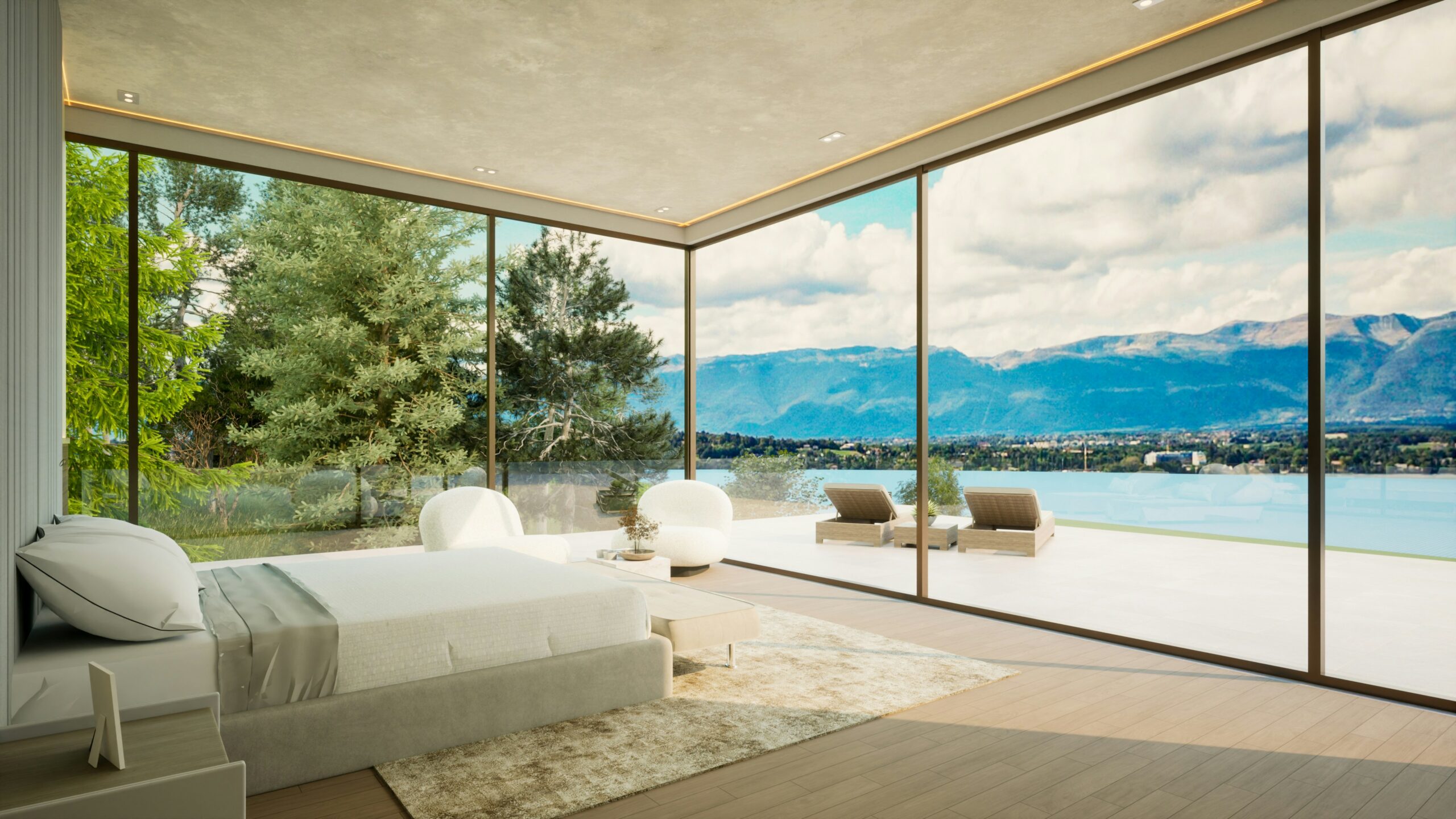
The definition of luxury within the global hospitality industry has undergone a profound and irreversible paradigm shift in recent years. In previous decades, luxury was often measured by the physical weight of chandeliers or the thread count of silk carpets lining the lobby floors. However, for the modern seasoned traveler, true luxury is now discovered in hyper-personal details and experiences tailored uniquely to their individual identity. These travelers no longer seek a rigid, standardized excellence that looks the same in every city; they crave an intimacy that makes them feel deeply understood. This shift demands that hotels transform from mere providers of accommodation into sophisticated curators of life-changing memories.
Artificial intelligence and data analytics now serve as invisible concierges, helping staff anticipate a guest’s desires before they are even spoken aloud. When a hotel can present a pillow with the exact firmness required or a room scent that evokes a cherished memory, true loyalty is born. This article explores how high-level personalization has become the new gold standard for defining comfort and exclusivity in the digital age. We will examine how every element, from arrival to departure, is designed to create a perfect harmony between the guest and their surroundings.
The Evolution of Luxury in a New Era

Luxury is no longer about what the eye can see, but rather what the soul feels during the experience. Modern guests demand recognition of their unique identities throughout their stay in high-end properties. They seek environments that adapt to their specific lifestyles rather than forcing them to conform to a hotel’s rigid rules.
A. The Shift from Ownership to Experience
High-net-worth travelers now value rare, ephemeral moments far more than expensive material possessions or branded goods. They prefer a private dinner in a hidden, scenic location over a crowded meal at a world-famous Michelin-starred restaurant.
B. Time as the Ultimate Luxury Commodity
Efficient, personalized service helps guests reclaim their most precious asset: their limited and valuable time. A hotel that can manage every logistical need without complex bureaucracy is considered far more luxurious than one that is merely ornate.
C. Human Touch in a Digital World
While technology is a powerful facilitator, the empathy and sincerity of the staff remains the core of true personalization. The warmth of a genuine greeting that uses the guest’s name can never be replaced by even the most advanced machine.
Leveraging Data to Anticipate Guest Needs
Effective personalization begins long before a guest ever steps through the front doors of the lobby. By analyzing past preferences and digital behaviors, hotels can prepare meaningful surprises that resonate on a personal level. Data is not just a collection of numbers; it is a roadmap to achieving maximum guest satisfaction.
A. Dynamic and Deep Guest Profiling
Luxury hotels maintain detailed records of everything from allergies and favorite room temperatures to specific reading preferences. This information is shared internally so that every staff member can provide a consistent and accurate level of service.
B. AI-Driven Predictive Hospitality
Artificial intelligence is used to predict when a guest might feel hungry or when they might require room cleaning services. This allows the hotel to provide proactive service without the guest ever needing to pick up a phone or press a button.
C. Data Privacy as a Foundation of Trust
When gathering personal data, high-end hotels prioritize the security and confidentiality of every piece of guest information. Guests feel comfortable sharing their preferences because they know the data is used exclusively to enhance their personal comfort.
Transforming the Room into an Adaptive Private Space
The hotel room is no longer just a place to sleep; it has become a multi-functional space that changes according to the guest’s needs. Smart room technology allows for the instantaneous personalization of the physical environment to suit any mood or task. This provides the guest with a sense of total control over their private sanctuary.
A. Environmental Control via Smart Devices
Guests can adjust lighting, music, and temperature through a single tablet interface or via simple voice commands. These specific settings can be saved and automatically reactivated the moment the guest returns for a future stay.
B. Curated In-Room Amenities
The contents of the minibar and the selection of toiletries are customized based on the guest’s health profile and personal lifestyle. If a guest is a professional athlete, the room might be equipped with muscle recovery tools or specific protein-rich beverages.
C. Ergonomic and Personalized Workspaces
For business travelers, the workspace is configured with high-speed connectivity and the specific equipment they are accustomed to using. This creates a professional atmosphere that feels as comfortable and efficient as their own home office.
Individually Tailored Gastronomy
The culinary world in luxury hotels is no longer restricted to a static menu that remains the same for every visitor. Personalization in food is the fastest way to touch a guest’s heart by appealing directly to their sense of taste. Chefs now act as personal nutrition consultants, creating edible art tailored to individual health requirements.
A. Menus Designed by Culinary DNA
Many hotels now offer short consultations with executive chefs to design a completely unique dinner menu for the evening. Each dish reflects the guest’s personal palate while still utilizing the finest local and seasonal ingredients.
B. Flexibility of Dining Time and Location
Guests are no longer bound by rigid restaurant operating hours to enjoy high-quality, chef-prepared meals. True luxury means being able to enjoy a gourmet breakfast on a private balcony at three in the afternoon if that is what is desired.
C. Private Cooking Experiences and Education
Guests are often invited to participate in the creation of their meals, such as picking fresh herbs directly from the hotel’s garden. This creates a powerful emotional bond between the guest and the food they are consuming.
Personalized Wellness and Health Optimization
Health is the new wealth, and luxury hotels are deeply committed to this growing global trend. Spa and fitness services are no longer generic; they are now prescribed based on the guest’s current biological condition. This is a holistic approach that balances the physical, mental, and emotional aspects of the human experience.
A. Biometric Analysis for Custom Spa Programs
Before beginning a treatment, a guest might undergo a brief biometric scan to determine which areas of the body require the most attention. Therapists then customize the techniques and essential oils used to address those specific physical needs.
B. Private Fitness Instructors and Custom Sessions
Training is moving away from large group classes and toward one-on-one sessions focused on the guest’s specific physiological goals. Whether it is meditation, yoga, or heavy weightlifting, every movement is designed for the individual’s current capability.
C. Mental Recovery and Sleep Optimization Programs
Hotels provide sound therapy, aromatherapy, and specialized pillow menus to ensure that guests achieve the highest quality of rest. Peace of mind is treated as a top priority in every wellness program offered by the property.
The Concierge as a Unique Experience Curator
The modern concierge does much more than just book tickets or reserve a table at a local restaurant; they are architects of dreams. They possess vast networks that can open doors that are usually closed to the general public. Their primary task is to create stories that the guest will tell for years to come.
A. Exclusive Access to Private Events
A great concierge can arrange a private tour of a world-famous museum after the official operating hours have ended. They provide access to rare experiences that cannot be purchased through standard online booking platforms.
B. Highly Specific Custom Itineraries
Every travel route is designed based on the guest’s specific interests, ranging from ancient history and fine art to extreme outdoor adventure. No two itineraries are ever the same for different guests staying at the same luxury property.
C. A Dedicated Point of Contact
This service often continues even after the guest has checked out and left the hotel property. The concierge acts as a single point of contact for all logistical needs and personal comfort throughout the entire journey.
Architecture Supporting Privacy and Intimacy
The physical design of modern luxury hotels emphasizes the creation of small, intimate spaces rather than cold, cavernous halls. Architecture must provide the feeling that the guest is the only person present on the property. Spatial planning is done intelligently to minimize any unwanted interactions with other guests.
A. Hidden Service Circulation and Flow
The hotel’s design ensures that staff can serve guests without ever disrupting the visual or auditory peace of the environment. Secret doors and dedicated service corridors are used to maintain the highest levels of guest privacy.
B. Integration of Nature into Private Zones
Every room or villa is designed to have a direct, unobstructed visual connection to the surrounding natural beauty. This creates a feeling of total freedom and tranquility that is highly valued by busy urban professionals.
C. Advanced Acoustic Comfort and Materials
The use of sophisticated soundproofing materials ensures that no outside noise penetrates the guest’s private living space. Absolute silence is considered one of the most important elements of personalized physical comfort in high-end hospitality.
Personalization for Families and Multi-Generational Travelers
Making a large family with diverse age groups happy is a challenge that requires the highest level of personalization. The hotel must be able to provide exciting activities for children while simultaneously offering total peace for the parents. This delicate balance can only be achieved through incredibly detailed planning.
A. Kids’ Clubs with Specialized Educational Programs
Instead of just providing toys, hotels offer art or science classes tailored to a child’s specific curiosities and age group. This adds significant value to a family holiday by making it an educational and enriching experience.
B. Flexible and Connected Living Spaces
Rooms are designed so they can be easily combined or separated according to the specific dynamics of the family unit. This provides necessary privacy for parents while maintaining a close connection to the children.
C. Shared Activities for Multi-Generational Bonding
Hotels organize unique experiences that can be enjoyed by grandparents and grandchildren together at the same time. Personalization here aims to create a collective memory that remains meaningful for the entire family for a lifetime.
Commitment to Personalized Sustainability
Modern eco-conscious guests want their green lifestyle to remain intact even while they are enjoying a luxury stay. Personalization in sustainability means providing guests with choices that allow them to contribute to the environment in their own way. The hotel acts as a facilitator for the ethical values held by its guests.
A. Choose-Your-Own Environmental Impact
Guests can choose to forgo daily linen changes and have those saved costs diverted to a local environmental or social charity. This provides a sense of pride as the guest becomes directly involved in the hotel’s social mission.
B. Private and Elegant Electric Transportation
The provision of premium electric vehicles or high-end bicycles for guests who wish to explore the local area without a carbon footprint. The hotel supports emission-free mobility that remains elegant, comfortable, and highly personalized.
C. Curated Local and Ethical Products
Every souvenir or item found in the room comes from local artisans who are directly supported by the hotel’s purchasing power. Guests feel a deep connection to the local community through these carefully personalized items.
The Future of Personalized Hospitality
We are heading toward an era where the hotel will become a “second home” that recognizes the guest instantly through biometric technology. Personalization will become increasingly invisible yet its impact on comfort will be felt more deeply than ever before. The challenge is to maintain ethical boundaries so that guests never feel like they are being monitored too closely.
A. Biometric Integration for Seamless Access
A guest’s face may become their room key and their most secure method of making payments during their stay. This eliminates all administrative friction and makes the entire process of staying at a hotel feel much smoother.
B. Virtual Reality for Experience Previews
Guests may soon be able to personalize their rooms virtually before they even finalize their booking. They could choose the furniture layout or the specific decor that matches their personal taste through advanced VR technology.
C. Ongoing Post-Stay Relationship Management
The relationship with the hotel does not end at check-out, but continues through highly personalized loyalty programs. The hotel remains a part of the guest’s lifestyle by sending favorite products or exclusive invitations based on past preferences.
Conclusion

The transformation of personalized service is the core of the future for the global luxury hotel industry. Hotels are now required to be much more than just providers of rooms for their visiting guests. Understanding the small details of a guest’s life is the primary key to building an enduring loyalty. Technology must be used as a tool to strengthen, rather than distance, the relationship between staff and guests. True luxury is found in the hotel’s ability to respect the time and unique identity of every individual.
Effective personalization provides a sense of comfort that closely resembles the warm atmosphere of one’s own home. The worlds of gastronomy and wellness must adapt totally to the specific biological requirements of each guest. The security of personal data remains the fundamental foundation for building trust in this advanced digital era. Every hotel staff member is an ambassador carrying a mission to provide an unparalleled and unique experience. Innovations in architectural design play a critical role in maintaining the privacy and intimacy of every guest.
Sustainability and ethics are now an integral part of a meaningful and luxurious stay for the modern traveler. The future of hospitality will depend heavily on how well we can humanize the technology we use daily. Future visualizations show that hotels will become increasingly integrated with our complex digital and personal lifestyles. Only hotels capable of evolving with the specific desires of their guests will survive in this competitive market. The ability to provide a genuine and heartfelt surprise is the highest form of art in hospitality. Let us welcome an era where every journey is a unique and beautiful reflection of who we are.