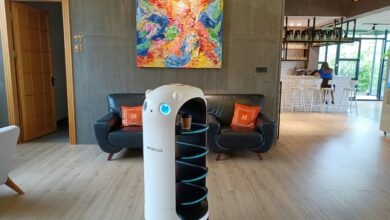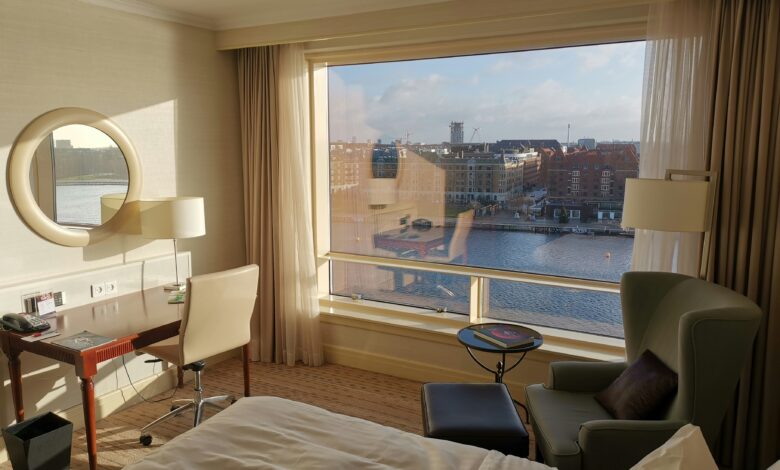
The traditional concept of a hotel stay is undergoing a radical metamorphosis, moving away from static rooms toward dynamic, living environments that respond to every guest’s presence. We are currently entering an era where the boundary between physical space and digital intelligence has completely dissolved, creating a seamless hospitality experience. In these futuristic sanctuaries, the room is no longer just a collection of furniture and amenities, but a sophisticated ecosystem of interconnected sensors and artificial intelligence. Guests are no longer required to adapt to their surroundings; instead, the surroundings intuitively adapt to the guests’ preferences, habits, and even their biological needs.
This revolution is driven by the rapid maturation of the Internet of Things (IoT) and high-speed connectivity, allowing for real-time personalization at an unprecedented scale. From the moment a traveler crosses the threshold, the environment begins to calibrate itself, adjusting lighting, temperature, and digital interfaces to match a pre-defined profile. This shift represents more than just a technological upgrade; it is a fundamental redesign of human comfort and convenience in the modern age. As we explore the depths of this transformation, we will see how these smart spaces are reclaiming time for travelers and offering a glimpse into the future of domestic life.
The Foundation of the Hyper-Connected Guest Room

At the heart of every futuristic hotel room lies a complex web of sensors and processing units that act as the room’s central nervous system. This infrastructure allows different devices from various manufacturers to communicate in a unified language, ensuring that the guest experience is fluid rather than fragmented.
A. Unified Communication Protocols and Matter Integration
The emergence of universal standards like Matter allows lightbulbs, thermostats, and shades to work together without the need for multiple apps. This interoperability is the backbone of a truly smart room, preventing the digital friction that often plagues early-stage automation.
B. High-Density Sensor Arrays and Presence Detection
Instead of simple motion detectors, modern smart rooms use millimeter-wave radar to detect the presence of a guest even when they are perfectly still. This ensures that lights don’t accidentally turn off while a guest is reading or that the climate control stays active during a deep sleep.
C. Edge Computing for Enhanced Privacy and Speed
To protect guest privacy, many hotels are moving toward edge computing, where data is processed locally within the room rather than sent to a remote cloud server. This not only keeps personal habits private but also ensures that commands are executed with near-zero latency.
The Evolution of the Voice-Activated Concierge
Voice control has moved beyond simple commands to become a sophisticated, AI-driven interface capable of handling complex requests. These digital assistants are trained specifically on hotel operations, allowing them to act as a 24-hour personal butler for every guest.
A. Natural Language Processing and Contextual Understanding
Modern AI assistants can understand follow-up questions and context, making the interaction feel more like a human conversation. You can ask for extra towels and then immediately ask about the pool hours without repeating your room number.
B. Multilingual Support for Global Travelers
Smart rooms can instantly switch their voice interface to match the guest’s native language based on their reservation profile. This eliminates the language barrier for international travelers, ensuring they can easily control their environment and access hotel services.
C. Integration with On-Property Services and Ordering
Guests can use their voice to order room service, book a spa appointment, or request a late check-out without ever picking up a physical telephone. This direct link to the hotel’s management system speeds up service delivery and reduces human error.
Intelligent Lighting and Biological Optimization
Lighting in the smart hotel room of the future is about much more than just visibility; it is about health, mood, and the regulation of the human body. Advanced systems now utilize tunable LEDs that can replicate the exact spectrum and intensity of natural sunlight throughout the day.
A. Circadian Rhythm Lighting and Jet Lag Recovery
The room’s lighting can be programmed to help guests recover from long-haul flights by shifting the color temperature to align with the local time zone. Brighter, blue-enriched light in the morning helps suppress melatonin, while warm, amber tones in the evening prepare the body for deep sleep.
B. Adaptive Mood Scenes for Specific Activities
With a single command, the room can transform from a bright, focused workspace into a cozy, dimly lit sanctuary for relaxation. These “scenes” coordinate the overhead lights, accent lamps, and even the digital art on the walls to create a cohesive atmosphere.
C. Invisible Path Lighting and Night Modes
Smart rooms use low-level floor lighting that activates automatically when a guest steps out of bed during the night. This provides enough light for safety without being bright enough to fully wake the guest or disrupt their sleep cycle.
The Transformation of the Digital Workspace
For the modern business traveler, the hotel room often serves as a temporary headquarters. Smart rooms are being redesigned to offer a level of productivity that rivals a high-end office, with integrated technology that supports seamless collaboration and deep focus.
A. Interactive Mirror Displays and Transparent Screens
Mirrors in the bathroom or entryway can double as high-definition displays, showing weather updates, news briefings, or flight status while the guest gets ready. Some rooms even feature transparent OLED screens that provide information without blocking the view from the window.
B. Wireless Charging and Universal Connectivity
Clunky cables are being replaced by wireless charging pads built directly into nightstands and desks. Universal docking stations allow guests to project their laptop or smartphone screen onto the room’s large display with a single tap.
C. High-Speed Private Wi-Fi 7 Networks
Every smart room acts as an independent network node, providing dedicated bandwidth that is secure and lightning-fast. This ensures that video conferences are always high-definition and that large files can be transferred without delay.
Climate Control and Energy Intelligence
Smart thermostats in futuristic hotels do much more than just keep the room at a steady temperature. They are integrated with the hotel’s property management system to optimize energy consumption based on occupancy and real-time utility pricing.
A. Predictive Cooling and Heating Based on Arrival
The hotel can begin cooling or heating a room the moment a guest checks in at the airport or enters the property via geofencing. This ensures the room is perfectly comfortable the second the guest opens the door, without wasting energy on an empty space.
B. Humidity Management for Respiratory Health
Advanced HVAC systems monitor and adjust humidity levels to prevent the dry air that often plagues traditional hotel environments. This is particularly beneficial for guests with allergies or those traveling to extreme climates.
C. Energy-Saving Sleep Modes
When sensors detect that a guest is asleep, the system can slightly adjust the temperature to match the body’s natural cooling during rest. This not only improves sleep quality but also contributes to the hotel’s overall sustainability goals.
The Smart Bathroom: A Private Wellness Spa
The hotel bathroom is evolving into a high-tech wellness center where guests can track their health and enjoy therapeutic experiences. From intelligent toilets to programmable showers, every element is designed to enhance the guest’s physical well-being.
A. Programmable Showers with Personal Profiles
Guests can save their preferred water temperature and pressure settings, which are then automatically applied the moment they step into the shower. Some systems even include aromatherapy infusion and chromotherapy lighting for a full spa experience.
B. Smart Toilets with Health Monitoring Capabilities
Modern bidet-toilets offer heated seats, automatic lids, and self-cleaning functions. In the future, these fixtures may also include sensors that analyze waste to provide guests with basic insights into their hydration and nutritional levels.
C. Anti-Steam Mirrors and Integrated Media
Heated mirrors ensure that the glass never fogs up, regardless of how long the shower runs. Integrated speakers and small screens allow guests to catch up on the morning news or listen to a podcast while they shave or apply makeup.
Security and Biometric Access Control
The traditional plastic key card is quickly becoming a relic of the past as hotels move toward biometric and smartphone-based security. These systems provide a higher level of safety while making the check-in and entry process much smoother for the guest.
A. Smartphone Digital Keys and NFC Entry
Guests can bypass the front desk entirely by using their smartphone as a room key through Near Field Communication (NFC). This digital key can also be used to access the gym, the elevator, and other restricted areas of the property.
B. Biometric Recognition for Personalized Access
Some high-end hotels are experimenting with facial or fingerprint recognition for room entry. This ensures that only the authorized guest can enter the room, providing a level of security that is impossible to duplicate with physical cards.
C. Secure Digital Vaults with Cloud Integration
The in-room safe is evolving into a digital vault that can sync with the guest’s accounts. This allows for the secure storage of digital assets and provides a safe place to charge high-value electronic devices.
Artificial Intelligence and Predictive Guest Services
The true “intelligence” of a smart room comes from its ability to learn and predict what a guest will need based on their past behavior. This creates a “frictionless” stay where the hotel feels like it is reading the guest’s mind.
A. Automated Minibar and Inventory Management
Sensors in the minibar detect when an item is removed and can automatically trigger a restock or add the item to the guest’s digital bill. The system can also suggest snacks or drinks based on the guest’s previous preferences.
B. Predictive Maintenance and Silent Repairs
The room can self-diagnose issues with the HVAC system or plumbing and alert the maintenance team before the guest even notices a problem. Often, these repairs can be completed while the guest is out of the room, ensuring zero downtime.
C. Personalized Media Recommendations
The room’s entertainment system can sync with the guest’s streaming accounts to offer personalized recommendations. It can also remember exactly where a guest left off in a movie, allowing them to continue watching seamlessly.
The Future of Smart Furniture and Spatial Design
The physical layout of the hotel room is becoming more flexible through the use of robotic furniture and modular design. This allows a single room to serve multiple purposes, from a spacious bedroom to a professional meeting space or a private gym.
A. Robotic Beds that Disappear into the Ceiling
In urban hotels where space is at a premium, beds can be raised into the ceiling to reveal a living area or a large desk. This allows guests to have a much larger living space during the day without sacrificing the comfort of a king-sized bed.
B. Modular Desks and Retractable Workstations
Workspaces can be hidden within the walls or cabinetry when not in use, helping to keep the room feeling uncluttered and peaceful. This “disappearing tech” is a key element of modern luxury design.
C. Kinetic Partition Walls for Privacy
Smart walls can be moved to create a separate dressing area or a private dining nook. This flexibility allows guests to customize the architecture of their room to suit their specific travel needs.
Sustainability through Automation
Smart rooms are a critical tool in the hotel industry’s push toward net-zero emissions. By automating resource management, hotels can significantly reduce their environmental footprint without requiring the guest to compromise on comfort.
A. Water Consumption Monitoring and Conservation
Smart showerheads can provide visual feedback to guests about their water usage, encouraging shorter showers. The hotel can also use this data to identify leaks or inefficiencies in the building’s plumbing.
B. Automated Blinds for Solar Heat Management
During the day, the room can automatically close the blinds to prevent heat gain from the sun, reducing the load on the air conditioning system. In the winter, the blinds can stay open to harness natural warmth.
C. Smart Power Outlets and Ghost Load Prevention
Intelligent outlets can cut power to devices that aren’t in use, preventing the “phantom” energy drain that accounts for a significant portion of a hotel’s electricity bill. The system can also ensure that only essential devices remain powered while the guest is away.
Conclusion

The evolution of smart hotel rooms represents the ultimate intersection of technology and hospitality. These rooms are no longer just places to stay; they are active partners in the guest’s daily routine. Personalization through artificial intelligence is creating a more human-centric travel experience. Biological optimization and light therapy are helping travelers maintain their health across time zones. The bathroom is being transformed into a high-tech sanctuary for physical and mental wellness.
Security is becoming more seamless and robust through the integration of biometric technology. Energy intelligence is allowing hotels to operate sustainably without sacrificing luxury or comfort. Predictive services ensure that guest needs are met before they are even consciously felt. The flexibility of smart furniture is maximizing the utility and value of every square foot. We are moving toward a future where the digital and physical worlds are perfectly synchronized.
As technology becomes more invisible, it becomes more powerful in enhancing our quality of life. The hotel room is becoming a laboratory for the technologies that will eventually enter our homes. Successful hotels will be those that use technology to create deeper emotional connections with guests. Privacy and data security remain the most important foundations for this digital transformation. The smart room is a testament to our desire for an environment that understands and respects us. Mastering this new world of hospitality requires a perfect balance of high-tech and high-touch.