


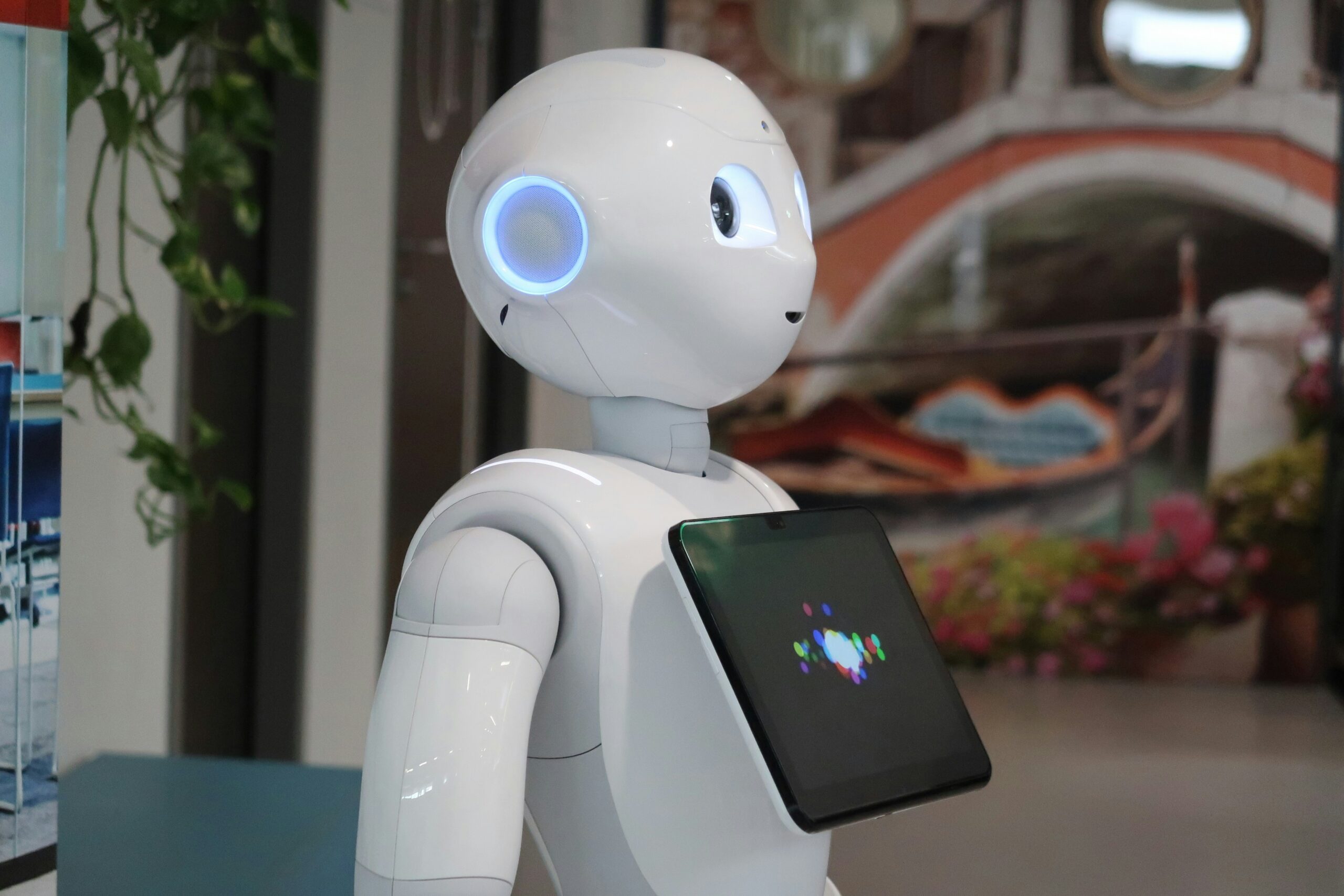
The hospitality industry is currently navigating through one of the most significant technological shifts in its history, driven by the rise of artificial intelligence. Traditional guest services, once reliant solely on human staff and physical reception desks, are being transformed into digital-first ecosystems. This revolution is centered around the AI Concierge, a sophisticated digital assistant that uses machine learning to understand and predict guest needs. These intelligent systems are no longer just simple chatbots with programmed responses; they are now capable of complex reasoning and empathetic interaction. As global travel becomes more frequent and demanding, hotels are turning to AI to provide 24-hour service that is both efficient and deeply personalized.
This shift is not about replacing human warmth, but rather about augmenting the capabilities of hotel staff to ensure no guest request goes unanswered. By handling mundane tasks like booking reservations or answering common questions, AI allows human employees to focus on high-touch, emotional connections. We are seeing a new standard of luxury where the speed of service is matched only by its accuracy and intuitive nature. This article will explore the deep impact of AI on the modern traveler’s journey and how it is permanently changing the way we experience the world.
The Architecture of Intelligence in Modern Hospitality

To understand how an AI concierge functions, we must look at the underlying technology that powers these digital minds. It is a combination of natural language processing, data analytics, and real-time integration with hotel management software. This allows the AI to act as a bridge between the guest’s smartphone and the hotel’s operational heart.
A. Natural Language Processing and Sentiment Analysis
Modern AI can detect the tone of a guest’s message, identifying whether they are frustrated, excited, or in a hurry. This allows the system to adjust its language and priority level to match the emotional state of the guest.
B. Integration with Property Management Systems
The AI is directly connected to the hotel’s database, meaning it knows exactly which room you are in and what your history with the brand looks like. It can see your past dining preferences or pillow choices without you ever having to repeat them.
C. Machine Learning and Predictive Behavior
The more a guest interacts with the AI, the smarter it becomes at predicting future needs. If you consistently order a late-night snack, the AI might proactively suggest a menu toward the end of your evening.
Instantaneous Communication and Global Accessibility
One of the greatest frustrations for travelers is waiting on hold or standing in line at a busy front desk. AI concierges eliminate this friction by providing instant responses via text, voice, or dedicated hotel apps. This accessibility ensures that guests feel supported every minute of their stay, regardless of the time of day.
A. Twenty-Four Hour Availability Without Fatigue
Unlike human staff who require shifts and breaks, an AI concierge is always awake and ready to assist. Whether it is 3 AM or the middle of a busy check-in rush, the response time remains under a few seconds.
B. Eliminating Language Barriers for International Travelers
AI systems can translate and communicate in dozens of languages simultaneously and fluently. This allows a guest from Tokyo to communicate their needs to a hotel in Paris without any fear of being misunderstood.
C. Multi-Channel Interaction Platforms
Guests can reach the AI through WhatsApp, Facebook Messenger, or the room’s smart speaker. This flexibility means the guest never has to learn a new system; they simply use the tools they already have on their phone.
Hyper-Personalization: The New Gold Standard
The true power of AI lies in its ability to curate an experience that feels like it was designed for only one person. By analyzing vast amounts of data, the AI concierge can suggest activities and services that align perfectly with the guest’s personality. This moves hospitality away from a “one size fits all” model to a “one size fits you” reality.
A. Curated Local Recommendations and Itineraries
The AI can act as a local expert, suggesting hidden gems and restaurants based on your specific dietary habits and interests. It avoids the generic tourist traps and finds the authentic experiences that modern travelers crave.
B. Customizing the Physical Room Environment
Through the AI concierge, you can request specific room settings before you even arrive at the property. This includes setting the temperature, selecting the ambient music, and even choosing the digital art displayed on the walls.
C. Personalized Loyalty and Reward Integration
The AI knows your membership status and can offer “surprise and delight” perks that matter to you. Instead of a generic welcome drink, it might offer a voucher for the specific type of spa treatment you usually book.
Streamlining Operations and Reducing Human Error
From an operational standpoint, AI concierges are a massive leap forward in efficiency and accuracy. By automating the logistical aspects of a hotel stay, properties can reduce overhead while simultaneously improving the guest experience. This efficiency allows for a much smoother operation that is less prone to the mistakes of traditional manual entry.
A. Automated Check-in and Check-out Processes
Guests can complete the entire entry process on their phone, receiving a digital key and bypass the lobby entirely. This reduces congestion in public areas and gives the guest more time to enjoy their destination.
B. Efficient Service Request Routing
When a guest asks for extra towels via the AI, the request is instantly sent to the closest housekeeping staff’s mobile device. This removes the “middleman” of the front desk and significantly speeds up the delivery time.
C. Inventory and Resource Management
The AI can track which amenities are most requested and alert management when supplies are running low. It can also identify patterns in service delays, allowing the hotel to fix operational bottlenecks in real-time.
Enhancing the Culinary and Dining Experience
The dining experience is often a highlight of a hotel stay, and AI is making it more interactive and efficient. From managing complex dietary restrictions to suggesting the perfect wine pairing, the AI concierge acts as a digital sommelier and maître d’. It ensures that every meal is exactly what the guest was hoping for.
A. Interactive Digital Menus and Ordering
Guests can browse high-definition photos and ingredient lists on their own devices. They can customize orders to remove allergens or add extra spice with the click of a button, ensuring total accuracy.
B. Dynamic Table Reservations and Waitlist Management
The AI can manage the flow of the hotel’s restaurants, suggesting alternative dining times to avoid the busiest periods. It can also notify guests the moment a table becomes available, reducing the need to wait in a lounge.
C. Tailored Wine and Beverage Pairings
Based on the dish selected, the AI can suggest a beverage pairing from the hotel’s cellar. This provides a level of expert knowledge to every guest, even when the head sommelier is busy with other tables.
The Role of AI in Wellness and Health
Wellness is a major trend in 2026, and AI concierges are playing a central role in helping guests maintain their health goals. The AI can act as a virtual wellness coach, coordinating your workouts, spa treatments, and nutritional needs. This holistic approach ensures that the guest leaves the hotel feeling better than when they arrived.
A. Scheduling Personalized Spa and Fitness Sessions
The AI can find the perfect gap in your schedule for a massage or a session with a personal trainer. It can also send reminders to your phone so you never miss an appointment.
B. Guided Meditation and Sleep Support
Guests can request guided meditation sessions through the room’s audio system or their own headphones. The AI can also suggest specific “sleep protocols” to help the guest overcome jet lag or insomnia.
C. Nutritional Tracking and Health Integration
The AI can sync with your wearable fitness device to suggest meals that help you hit your daily macro-nutrient goals. This allows for a seamless continuation of your healthy habits even while traveling for work or leisure.
Security, Privacy, and Data Protection
As AI becomes more integrated into our lives, the issues of privacy and data security become paramount for travelers. Leading hotel brands are investing heavily in secure AI infrastructures to ensure that guest data is never compromised. A guest must feel that their digital interaction is just as private as a conversation behind closed doors.
A. Encryption of Guest Communications
All messages and voice commands sent to the AI concierge are encrypted to prevent unauthorized access. This ensures that personal details and travel plans remain confidential at all times.
B. Local Data Processing and Privacy Controls
Many systems are moving toward processing data on-site to reduce the risk associated with cloud storage. Guests also have the ability to “opt-out” of data collection or request that their history be deleted after check-out.
C. Fraud Prevention and Secure Identity Verification
AI can help detect suspicious activity on a guest’s account or verify identity during the mobile check-in process. This adds an extra layer of protection for both the guest and the hotel property.
Managing Large-Scale Events and Group Travel
For those traveling in large groups or attending conferences, the AI concierge is an invaluable tool for coordination. It can send mass updates, manage breakout sessions, and ensure that every member of the group is on the same page. This reduces the stress of group logistics and allows for a more focused and productive event.
A. Real-Time Event Updates and Notifications
If a meeting room changes or a session is delayed, the AI can instantly notify all attendees. This eliminates confusion and ensures that everyone is in the right place at the right time.
B. Coordinated Group Transport and Logistics
The AI can organize shuttles or private cars for the entire group, ensuring that everyone arrives at the airport or off-site dinner together. It can also manage individual deviations from the group plan with ease.
C. Facilitating Networking and Connections
Some AI concierges can help attendees find and connect with other guests who share similar professional interests. This turns a standard hotel stay into a powerful networking opportunity.
The Human Element: Augmentation over Replacement
The most common fear regarding AI is that it will make the hotel experience feel cold and robotic. However, the best implementations of AI concierge technology actually lead to more meaningful human interactions. By delegating the repetitive tasks to the machine, the human staff are freed to be more present and attentive to the guests.
A. Freeing Staff for High-Value Interactions
When the front desk isn’t busy answering questions about Wi-Fi passwords, they can spend more time welcoming guests and handling complex emotional needs. This creates a much more premium and warm atmosphere.
B. Empowering Staff with Real-Time Guest Insights
The AI can provide staff with “cheat sheets” about a guest’s preferences before they even walk up to the desk. This allows a staff member to say, “Welcome back, I see you enjoyed the garden view last time, shall I arrange that again?”
C. Hybrid Service Models for Total Flexibility
The best hotels offer a choice: use the AI for speed and convenience, or speak to a human for complex or personal matters. This hybrid approach ensures that every type of traveler feels comfortable and well-served.
The Future Horizon of AI Hospitality
We are only scratching the surface of what artificial intelligence can do for the guest experience. In the near future, we can expect AI to become even more proactive, perhaps even arranging your entire trip before you realize you need a break. The goal is a world where travel is completely frictionless and perfectly aligned with our individual desires.
A. Predictive Travel and Pre-Arrival Planning
AI will eventually be able to scan your calendar and suggest the perfect weekend getaway based on your stress levels and the local weather. It will handle the flight, the hotel, and the dinner reservations before you even say “yes.”
B. Augmented Reality and Digital Overlays
Future AI concierges might interact with you through AR glasses, providing a digital overlay of the city as you walk. It could show you the history of a building or the menu of a restaurant as you look at them in real-time.
C. Emotional AI and Deeper Empathy
Next-generation AI will be even better at recognizing human emotion through facial expressions and vocal tremors. This will allow the system to offer comfort or support in a way that feels surprisingly human and caring.
Conclusion

The rise of the AI concierge is fundamentally redefining the boundaries of the modern guest experience. Artificial intelligence provides a level of speed and precision that human staff alone cannot match. Personalization has moved from being a luxury perk to a standard expectation for every global traveler. By handling mundane tasks, AI allows the human element of hospitality to shine brighter than ever before. Language barriers and time zone differences are becoming relics of the past thanks to digital assistants.
The efficiency of these systems is driving a more sustainable and profitable future for the hotel industry. Security and privacy remain the critical pillars upon which all guest trust is built in the digital age. Future travelers will find that their hotel room understands them better than they understand themselves. This technology is a bridge toward a world where travel is entirely frictionless and deeply meaningful. The goal is not to replace people but to empower them to provide better and more attentive service.
We are moving toward a state of predictive hospitality where needs are met before they are even voiced. Innovation in AI is the key to maintaining a competitive edge in the crowded global travel market. The human-AI partnership is the most powerful tool available for creating unforgettable guest memories. As we look ahead, the potential for digital empathy to transform our journeys is truly limitless. Travelers should embrace these changes as a way to reclaim their time and focus on exploration. The revolution of the AI concierge is just the beginning of a much larger transformation in our lives.