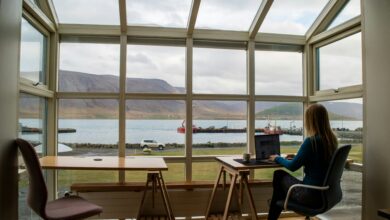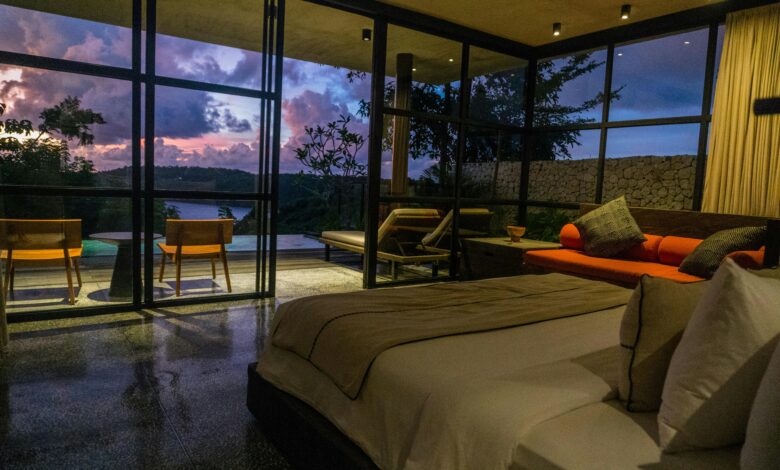
The global hospitality sector is currently experiencing a profound shift as travelers move away from generic brand experiences toward more meaningful and localized stays. For a long time, the standard for luxury was defined by a predictable and uniform aesthetic that looked the same in every city across the globe. Today, the modern explorer is seeking a deep sense of place and a genuine connection to the cultural history of their destination. This has led to the rise of boutique hotels that successfully blend raw architectural authenticity with cutting-edge contemporary design. These properties are often housed in restored historical buildings, such as former factories, ancient palaces, or abandoned warehouses, which give them a unique character from the start.
Designers are now tasked with preserving the original soul of these structures while integrating the high-end comforts that sophisticated guests expect. This delicate balance between the old and the new creates a rich atmosphere that tells a story of the past and the future simultaneously. Travelers are increasingly willing to pay a premium for an environment that feels hand-crafted and culturally relevant rather than mass-produced. By focusing on local materials and artisanal craftsmanship, these boutique hotels are redefining the very essence of what it means to be a luxury property.
Architectural Preservation and Structural Integrity

A. Restoration of Historical Frameworks
The most successful boutique hotels begin their journey by carefully uncovering the original architectural elements of a building that have been hidden for decades. Exposed brick walls, ancient timber beams, and original stone flooring are treated with the highest level of respect and craftsmanship. This process involves using traditional building techniques to ensure that the structural history of the site remains the focal point of the guest experience. By celebrating these imperfections, the property gains an immediate sense of gravity and historical importance that a new build simply cannot replicate.
B. Adaptive Reuse of Industrial Spaces
Turning a former industrial site into a luxury hotel requires a creative vision that embraces high ceilings and raw, unpolished surfaces. Architects often maintain the large, factory-style windows to flood the interior spaces with natural light while providing a gritty, urban aesthetic. These spaces are then softened with high-end finishes and warm lighting to create a comfortable contrast between the industrial past and the luxurious present. This approach to design demonstrates a commitment to urban renewal and the preservation of a city’s productive history.
C. Integration of Local Materials
Authenticity is deeply tied to the earth, which is why designers prioritize sourcing stone, wood, and clay from the immediate geographical area. Using local volcanic rock or regional hardwoods ensures that the building feels like a natural extension of its surroundings rather than an intruder. This strategy not only supports local quarries and workers but also reduces the carbon footprint associated with transporting heavy building materials. It creates a tactile experience for the guest that is unique to that specific coordinate on the map.
D. Preserving Original Layouts
Instead of forcing a standardized floor plan onto an old building, boutique hotels often adapt their room designs to fit the existing quirks of the structure. This leads to unique room configurations where no two guest suites are exactly the same, providing a sense of discovery for repeat visitors. These interesting layouts often feature hidden nooks, original staircases, or unusual window placements that add to the charm of the stay. It proves that character is often found in the irregular and the unexpected rather than the perfectly symmetrical.
Interior Design and Artisanal Craftsmanship
A. Curating Local Artwork
Boutique hotels serve as living galleries by showcasing the work of local painters, sculptors, and photographers throughout their public spaces and guest rooms. This provides a platform for regional talent to reach a global audience while giving the hotel a vibrant and ever-changing personality. Guests are able to engage with the local art scene from the moment they check in, making their stay feel more like a cultural immersion. It moves the hotel away from being a mere place of rest and toward being a cultural hub for the community.
B. Hand-Crafted Furniture and Textiles
Every piece of furniture in a high-end boutique property is often commissioned from local artisans who use traditional methods to create functional art. Hand-woven rugs, custom-made wooden chairs, and hand-beaten metal light fixtures add a layer of warmth and human touch to the environment. These items carry the energy of the maker and stand in stark contrast to the soulness of factory-produced hotel furniture. This dedication to craft ensures that the interior design feels authentic and deeply rooted in the local tradition.
C. Bespoke Lighting Design
Lighting is the most powerful tool for creating atmosphere, and boutique hotels use it to highlight architectural features and create intimate moods. Designers often create custom light installations that mimic natural patterns or reflect local cultural motifs through shadows and silhouettes. Warm, layered lighting helps to soften the hard edges of historical stone or industrial steel, making the spaces feel welcoming and safe. It is a subtle but vital part of the design process that influences how a guest feels on an emotional level.
D. Signature Scents and Soundscapes
Authenticity is a multi-sensory experience that goes far beyond what the eyes can see within the lobby or the guest room. Boutique hotels often develop their own signature scents based on local flora and herbs to create a lasting olfactory memory for the traveler. Similarly, the background music is often curated to include local artists and traditional instruments, providing an invisible layer of cultural context. These sensory details work together to create a cohesive brand identity that is inseparable from the destination itself.
Sustainable Practices and Social Impact
A. Energy Efficient Historical Retrofitting
One of the greatest challenges of using old buildings is making them energy-efficient without damaging their historical aesthetic. Designers now use invisible technologies like high-performance window coatings and geothermal heating systems to lower the building’s impact. These updates ensure that a property from a previous century can meet the strict environmental standards of the modern world. It is a long-term investment in the planet that pays off through reduced operational costs and a better conscience.
B. Circular Economy Initiatives
Sustainable boutique hotels often implement zero-waste programs that focus on repairing and repurposing items rather than throwing them away. Old linens are turned into cleaning cloths, and broken furniture is repaired by local craftsmen to extend its useful life. This philosophy of care and maintenance is a core part of the authentic lifestyle that these properties represent to their guests. It shows that true luxury is found in the longevity and quality of the objects we surround ourselves with.
C. Fair Trade Procurement
Everything from the coffee in the guest room to the uniforms worn by the staff is sourced from ethical providers who pay fair wages. By prioritizing transparent supply chains, boutique hotels ensure that their success does not come at the expense of others. This social responsibility is a key part of the brand story and is highly valued by the modern, conscious traveler. It builds a bridge of respect between the hotel, the local community, and the global guest.
D. Water Conservation in Historic Sites
Older buildings often have outdated plumbing that can lead to significant water waste if not properly addressed during a renovation. Boutique hotels invest in low-flow fixtures and smart monitoring systems that detect leaks and optimize water usage in real-time. In some locations, they even install greywater recycling systems to irrigate their internal courtyards and vertical gardens. Protecting local water resources is a non-negotiable part of being a responsible and authentic hospitality brand today.
The Guest Experience and Local Connection
A. Personalized Concierge Services
A truly authentic boutique hotel provides guests with access to hidden local experiences that are not found in the standard guidebooks. The staff are often locals themselves who have a deep passion for their city and a desire to share its secrets with visitors. Whether it is a private tour of a local artist’s studio or a reservation at a family-run bistro, these connections are priceless. This personalized service transforms a simple trip into a profound and life-changing journey of discovery.
B. Communal Spaces and Social Interaction
Boutique hotels often design their lobbies and bars to be social hubs where guests and locals can mingle and exchange ideas. This creates a vibrant energy that makes the hotel feel like a part of the city rather than a secluded island of luxury. Hosting local events, book readings, and small concerts helps to integrate the property into the daily life of the neighborhood. It encourages travelers to step out of their comfort zones and engage with the world around them.
C. Educational Cultural Programming
Providing guests with the opportunity to learn a local craft or hear the history of the building adds a layer of intellectual value to the stay. Workshops on traditional cooking, local languages, or architectural history are frequently offered as part of the guest experience. These activities foster a deeper appreciation for the destination and create a more meaningful connection between the traveler and the host. It turns a vacation into an opportunity for personal growth and expanded horizons.
D. Digital Detox and Mental Wellness
Many boutique properties are now designing spaces that encourage guests to disconnect from their screens and reconnect with themselves. This might involve quiet reading rooms, screen-free zones, or garden spaces designed for meditation and reflection. By prioritizing mental well-being, these hotels offer a sanctuary from the noise and stress of the modern digital world. It is a form of luxury that is measured in peace and quiet rather than gold and marble.
Future Trends in Boutique Design
A. Biophilic Design Integration
The future of boutique hospitality lies in bringing the natural world inside the building through living walls and indoor forests. This connection to nature has been proven to reduce stress and improve the overall health of the guests and the staff. Biophilic design also helps to regulate indoor air quality and temperature naturally, reducing the need for mechanical systems. It creates a stunning visual experience that blurs the line between the built environment and the wild landscape.
B. Blockchain for Transparency
Some forward-thinking hotels are using blockchain technology to track the origin of every piece of food and material used on the property. This gives guests total confidence that the hotel’s claims of authenticity and sustainability are fully verified and true. Transparency is becoming the ultimate luxury in a world where consumers are increasingly skeptical of corporate marketing. It builds an unbreakable bond of trust between the brand and the sophisticated traveler.
C. Modular and Flexible Spaces
As the way we travel and work changes, boutique hotels are designing rooms that can be easily reconfigured to suit different needs. A guest room might serve as a private office during the day and a tranquil bedroom at night through the use of smart, hidden furniture. This flexibility allows the hotel to cater to the growing demographic of digital nomads and remote workers. It ensures that the building remains useful and relevant in a rapidly evolving global economy.
D. Hyper-Personalized Environments
Advancements in smart technology will soon allow guests to customize every aspect of their room environment before they even arrive. From the specific scent in the air to the color of the lighting and the firmness of the mattress, everything will be tailored to the individual. This level of personalization makes the guest feel truly seen and valued by the property. It is the final step in the evolution of bespoke hospitality and high-end boutique design.
Conclusion

The evolution of the boutique hotel is a testament to our desire for real connection. We are moving away from the era of mass-produced luxury and toward something much more personal. Authenticity is the most valuable asset any property can possess in the modern world. Design is the bridge that connects the history of a building to the needs of the guest. Every restored brick and hand-carved chair tells a story that resonates with the soul.
Choosing a boutique stay is a vote for the preservation of local culture and craft. The future of travel is one that embraces the unique character of every destination. Nature and architecture must work together to create a sustainable and beautiful world. We have learned that true comfort comes from a sense of belonging and meaning. The hospitality industry has a unique power to protect and celebrate our global heritage.
May your next journey lead you to a place that feels as real as the world itself. Thank you for being a part of this vital shift toward a more conscious way of traveling. Let every stay be an opportunity to discover something deep and true about ourselves. The baseline for excellence has finally been redefined by the power of authentic design. Enjoy the beauty of the past as you step into the comforts of the future. Your choice of accommodation is a powerful tool for positive global change.