High-End Sustainable Design Reshaping Modern Responsible Tourism

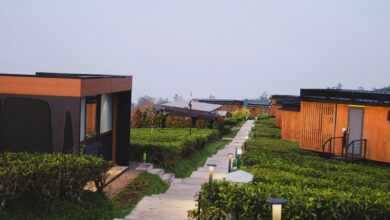
The concept of luxury in the global travel industry is currently undergoing a massive and permanent transformation that prioritizes the health of our planet. For several decades, high-end tourism was almost exclusively associated with excessive consumption and a complete lack of concern for the local environmental impact. However, a new generation of sophisticated travelers is now demanding that their leisure time aligns perfectly with their personal ethical values and ecological standards. This shift has forced architects and resort owners to rethink every aspect of how a building interacts with its natural surroundings and local community.
Sustainable design is no longer just a small addition to a project but has become the core foundation of the entire guest experience. Modern travelers want to know that the beautiful locations they visit are being preserved and even improved by the presence of the hotels they choose to stay in. This deep integration of environmental science and architectural beauty is creating a new baseline for what we consider truly world-class hospitality. We are moving toward a future where the most prestigious properties are those that leave the smallest physical footprint on the earth. This article explores how innovative design choices are turning the dream of responsible tourism into a tangible and luxurious reality for everyone involved.
Innovative Architecture and Ethical Building Foundations

A. Utilization of Reclaimed and Recycled Materials
Architects are now sourcing timber from old industrial buildings or utilizing recycled steel to create stunning and durable resort structures. This approach significantly reduces the demand for new raw materials and prevents the destruction of ancient forests or the depletion of natural mines. Every piece of reclaimed wood tells a unique story that adds a layer of historical depth and character to the guest rooms.
B. Low-Impact Foundation Techniques
Building on sensitive land requires specialized techniques like using helical piles or elevated platforms to avoid disturbing the local soil and root systems. These methods allow the natural flora and fauna to continue thriving directly beneath the hotel structures without any interruption or damage. By minimizing ground contact, the property can be easily removed in the future without leaving permanent scars on the natural landscape.
C. Integration of Natural Thermal Insulation
Traditional synthetic insulation is being replaced by organic alternatives such as sheep wool, hemp, or even recycled cellulose fibers. These materials provide superior thermal performance while ensuring that the indoor air quality remains free from harmful chemical off-gassing. Natural insulation helps maintain a perfect indoor temperature while drastically reducing the energy needed for mechanical heating or cooling systems.
D. Sourcing Locally Produced Construction Goods
By choosing stone and brick produced within a short radius of the building site, developers can eliminate the massive carbon emissions caused by international shipping. Supporting local quarries and factories also ensures that the architectural style of the hotel remains authentic to the regional heritage. This strategy strengthens the local economy and fosters a sense of pride and ownership among the people living in the area.
Advanced Energy Harvesting and Smart Grid Management
A. Photovoltaic Solar Array Integration
Modern resorts are turning their expansive rooftops and parking areas into productive energy hubs by installing high-efficiency solar panels. These systems capture clean sunlight and convert it into enough electricity to power everything from the gourmet kitchens to the private guest pools. Excess energy can be stored in large battery banks to ensure the resort remains fully operational during the night or cloudy days.
B. Subterranean Geothermal Heat Exchange
Tapping into the constant temperature found deep underground allows hotels to heat and cool their spaces with incredible efficiency and minimal noise. This invisible technology replaces traditional, energy-hungry air conditioning units that often leak harmful refrigerants into the atmosphere. Geothermal systems are highly durable and require very little maintenance over their long lifespan, making them an ideal choice for remote luxury properties.
C. Micro-Wind Turbine Technology
Properties located in windy coastal or mountainous regions are utilizing small, quiet wind turbines to supplement their renewable energy production. These modern turbines are designed to be bird-friendly and can be integrated into the architectural silhouette of the building for a futuristic look. Combining wind and solar power provides a more balanced and reliable energy profile that functions regardless of the specific weather conditions.
D. AI-Driven Smart Energy Management
Artificial intelligence is now being used to monitor guest occupancy patterns and adjust the energy load of the building in real-time. Smart systems can dim lights in empty hallways and lower the climate control in unoccupied suites to prevent any unnecessary waste of power. This level of digital optimization ensures that every kilowatt of clean energy is used as effectively as possible throughout the day.
Circular Water Systems and Ecological Preservation
A. Advanced Greywater Recycling Protocols
Water used in sinks and showers is no longer simply flushed away but is instead collected and treated for secondary purposes. This reclaimed water is perfect for irrigating the resort’s organic gardens or for use in toilet flushing systems across the entire property. By recycling water on-site, the hotel reduces its total demand for fresh water from local municipal sources or sensitive underground aquifers.
B. Atmospheric Water Generation
In arid climates where liquid water is scarce, some luxury hotels are using technology to extract moisture directly from the air. This process provides a consistent source of pure drinking water for guests without the need for plastic bottles or heavy transport trucks. It is a revolutionary solution that allows tourism to exist in beautiful desert environments without depleting the limited local water supply.
C. Rainwater Collection and Storage
Large storage tanks are integrated into the landscaping to catch natural precipitation during the rainy season for use during the drier months. This water is often filtered through natural reed beds and sand filters to ensure it is clean and safe for various non-potable applications. Rainwater harvesting reduces erosion and runoff issues while providing a free and sustainable resource for the resort’s maintenance needs.
D. Zero-Plastic Filtration Stations
Instead of providing thousands of plastic water bottles, sustainable hotels offer guests high-quality glass carafes and stylish refill stations. These stations use advanced charcoal and ultraviolet filtration to provide water that often tastes better than any commercial bottled brand. This simple design choice prevents massive amounts of plastic waste from entering the local ecosystem or ending up in the ocean.
Culinary Sustainability and Hyper-Local Sourcing
A. Regenerative On-Site Organic Farming
Many high-end resorts now employ full-time gardeners to manage extensive organic vegetable patches and fruit orchards located right on the property. Guests can walk through the gardens and see exactly where their dinner is coming from, creating a deep connection to their food. This farm-to-table approach eliminates the carbon footprint of food transport while ensuring the highest possible nutritional value and flavor.
B. Direct Partnerships with Artisanal Producers
When a resort cannot grow its own ingredients, it forms direct relationships with the best small-scale farmers and fishermen in the immediate area. This ensures that the money spent on food stays within the local community and supports traditional, sustainable ways of life. By cutting out industrial middle-men, the hotel can verify the ethical standards and quality of every single ingredient served.
C. Composting and Soil Regeneration
Kitchen scraps and garden waste are processed in high-tech composting units to create nutrient-rich fertilizer for the resort’s own soil. This process prevents organic matter from rotting in landfills where it would release dangerous methane gas into the atmosphere. The resulting compost helps the hotel’s gardens thrive without the need for harmful chemical fertilizers or synthetic growth stimulants.
D. Biodiversity-Focused Landscaping
Sustainable hotels are replacing ornamental, water-hungry lawns with native plants that provide food and shelter for local birds and insects. This creates a living landscape that supports the local ecosystem rather than just looking pretty for a few months of the year. Guests can enjoy the sight of rare butterflies and birds right from their balconies as a direct result of these careful design choices.
Conclusion

Finding the perfect balance between luxury and nature is finally a reality for everyone. The old days of wasteful travel are quickly being replaced by a much smarter approach. Sustainable design proves that we can enjoy the world without destroying its beauty. Every architectural choice made today will affect the health of our planet for a long time. Choosing a green resort is one of the most powerful things a modern traveler can do. We are seeing a total reimagining of what it truly means to be a responsible guest. The future of tourism is bright because it is built on a foundation of deep respect.
Nature and luxury are no longer working against each other in the hospitality world. We must continue to push for higher standards in every new building project. The destinations we love deserve to be protected with the best technology available. Travel has the potential to be a force for good if we design it correctly. Thank you for being a part of this incredible journey toward a greener future.