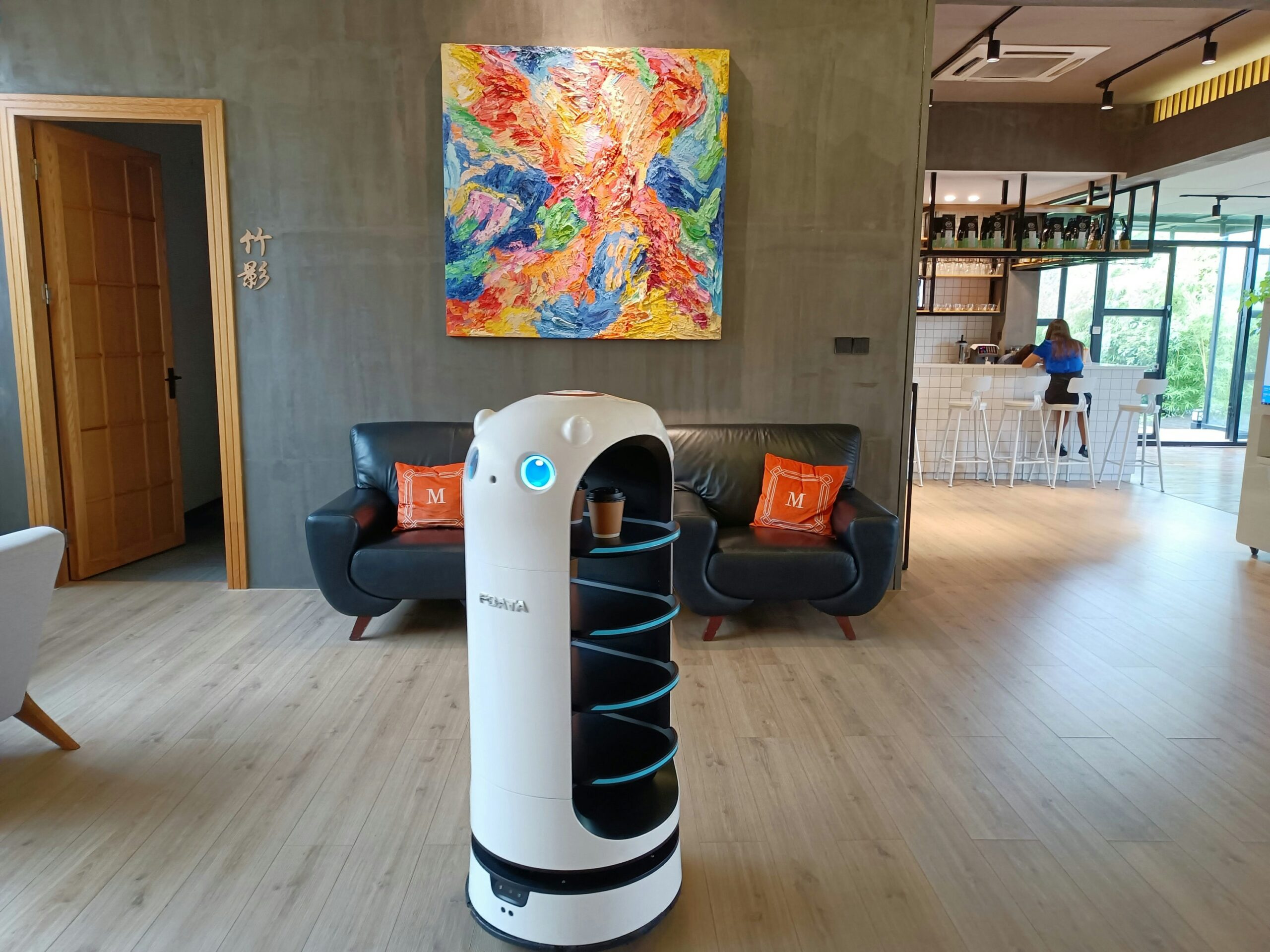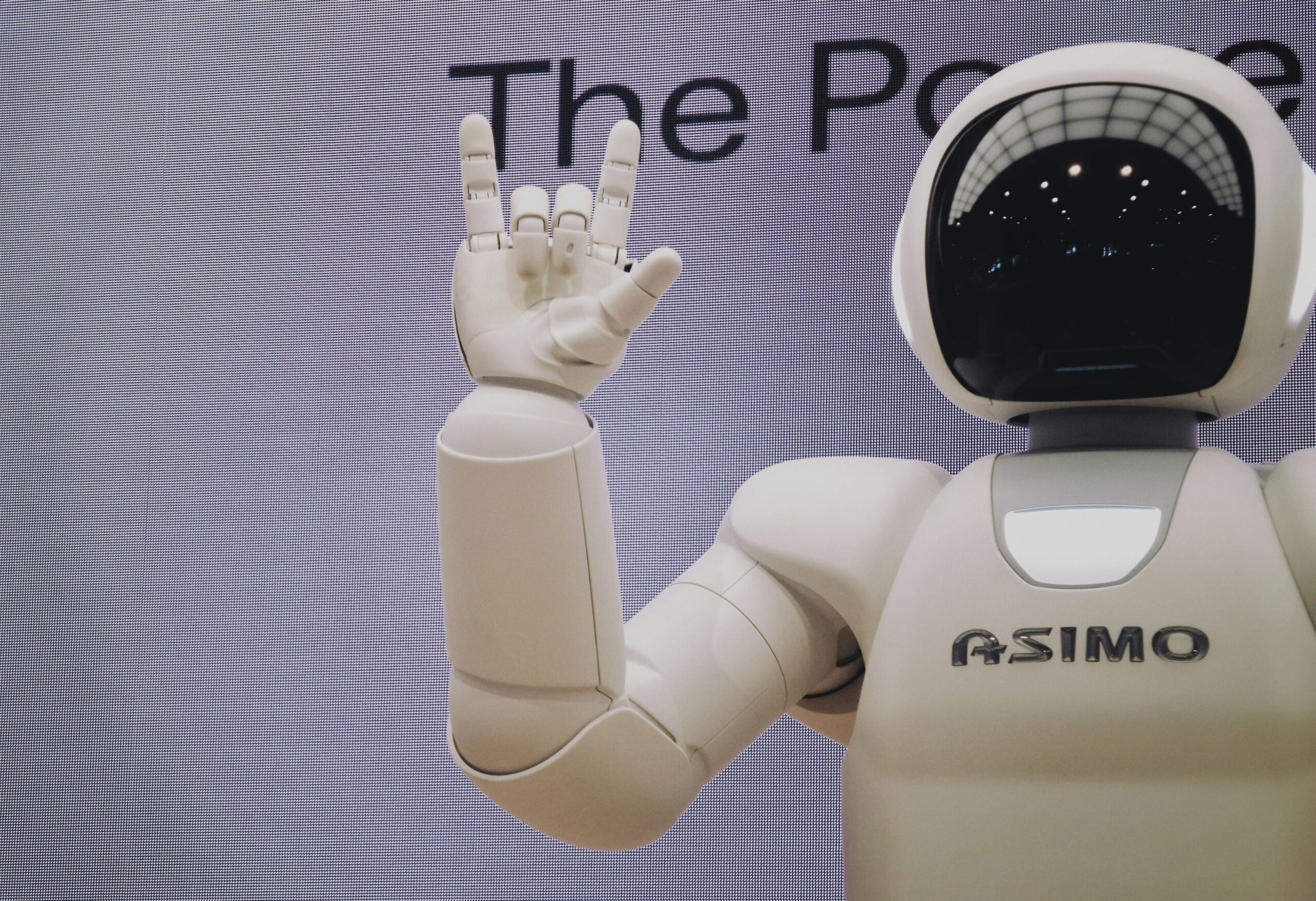
The global hospitality sector is currently undergoing a radical transformation where legacy systems no longer suffice for the demands of institutional-grade operations. This shift represents a move away from simple “gadgets” toward a unified, integrated infrastructure designed to optimize every facet of the guest journey and operational backend.
At the enterprise level, the objective is to create a seamless synergy between physical hardware, cloud-based management software, and real-time data analytics. This sophisticated architecture allows stakeholders to reduce overhead significantly while simultaneously elevating the luxury experience through hyper-personalized service delivery. By adopting a holistic approach to smart technology, large-scale hotels and resorts can achieve a level of operational agility that was previously unattainable.
The integration of high-bandwidth connectivity, secure IoT protocols, and advanced building management systems creates a robust foundation for future-proof growth. Furthermore, this strategic evolution addresses the growing need for sustainability and energy efficiency, which are now critical pillars of institutional value.
As investors and global brands look for ways to maximize asset performance, the deployment of enterprise-grade automation becomes the primary differentiator in a crowded market. It is not merely about staying current; it is about defining the next standard of excellence in international hospitality through technical precision and visionary design.
The Foundation of Institutional Connectivity

Enterprise-grade smart hotel systems begin with a robust network backbone that ensures zero-latency communication between thousands of connected devices. Unlike residential solutions, institutional frameworks require industrial-grade access points and dedicated fiber-optics to handle massive data throughput.
A. High-Density Wireless Distribution
B. Software-Defined Networking Protocols
C. Multi-Layer Security Encryptions
D. Redundant Cloud Infrastructure
E. Edge Computing Hardware
Each of these components works in harmony to support a massive ecosystem of guest-facing and backend technologies. Without a stable foundation, the more advanced features of a smart hotel would suffer from connectivity gaps that frustrate high-profile guests.
Centralized Building Management Systems
The brain of any enterprise hospitality project is the Building Management System (BMS) which monitors energy consumption and mechanical health. Modern platforms utilize machine learning to predict maintenance needs before a failure occurs, saving thousands in emergency repair costs.
A. Precision Climate Control Integration
B. Intelligent Lighting Arrays
C. Predictive Maintenance Analytics
D. Water Management Sensoring
E. Energy Grid Optimization
By automating these heavy-duty systems, hotel operators can drastically reduce their carbon footprint while ensuring that guest comfort remains at an optimal level. This level of control is essential for managing the complex requirements of large-scale properties with hundreds of rooms.
The Hyper-Personalized Guest Interface
The modern traveler expects a digital experience that mirrors their sophisticated lifestyle, requiring hotels to offer more than just a mobile key. Enterprise solutions focus on a frictionless interface where every request—from room service to spa bookings—is handled through a unified digital concierge.
A. Unified Guest Application Portals
B. Contactless Biometric Access
C. Personalized In-Room Entertainment
D. Voice-Activated Environmental Controls
E. Real-Time Concierge Messaging
These interfaces are integrated directly into the Property Management System (PMS), ensuring that the staff is alerted immediately when a guest makes a request. This transparency improves response times and allows for a proactive approach to guest satisfaction.
Data-Driven Operational Excellence
In the enterprise sphere, data is the most valuable asset, providing insights into guest behavior and staff efficiency. By aggregating data from every touchpoint, hotel management can make informed decisions that drive revenue and reduce waste.
A. Guest Preference Profiling
B. Staff Workflow Automation
C. Inventory Management Tracking
D. Revenue Performance Monitoring
E. Occupancy-Based Staffing Models
Automation tools can automatically adjust labor schedules based on real-time occupancy data, ensuring that the property is never overstaffed during slow periods. This level of granular control is what separates institutional-grade management from standard operations.
Security and Privacy at Scale
For premium brands, the security of guest data and physical safety is non-negotiable. Enterprise hospitality architecture includes advanced cybersecurity measures alongside physical security automation to protect the property and its inhabitants.
A. Encrypted Guest Data Storage
B. Automated Surveillance Systems
C. Secure Digital Identity Management
D. Emergency Response Integration
E. Firewall and Intrusion Detection
Protecting high-net-worth guests requires a multi-faceted approach where digital and physical security systems communicate in real-time. This creates a secure environment that enhances the brand’s reputation for safety and reliability.
Future-Proofing Through Modularity
Technology moves fast, and an enterprise architecture must be modular enough to adapt to new innovations without requiring a total overhaul. This involves using open API standards and flexible hardware configurations that can be upgraded as needed.
A. Open API Integration Frameworks
B. Scalable Hardware Components
C. Future-Ready Network Bandwidth
D. Modular Software Architecture
E. Third-Party Vendor Compatibility
By investing in a modular system, owners protect their capital expenditure and ensure that the property remains at the cutting edge for years to come. This strategic foresight is a hallmark of institutional-level planning and development.
Integrated Revenue Growth Strategies
Smart technology is a powerful tool for increasing the Average Daily Rate (ADR) and Revenue Per Available Room (RevPAR). Automated upselling and dynamic pricing models integrated into the guest interface allow for seamless revenue optimization.
A. Automated Upsell Engines
B. Real-Time Dynamic Pricing
C. Loyalty Program Integration
D. Personalized Marketing Triggers
E. Ancillary Service Promotion
When the system knows a guest’s preferences, it can offer targeted upgrades that are likely to be accepted, thereby increasing the total spend per stay. This targeted approach is far more effective than traditional, one-size-fits-all marketing strategies.
Conclusion

The transition to a fully automated enterprise hospitality environment is an essential evolution for modern brands. Institutional-grade technology provides the necessary tools to manage complex global operations efficiently. Success in this sector requires a deep commitment to integrating hardware and software seamlessly. The guest experience is significantly enhanced when technology acts as an invisible, supportive layer. Operational costs are reduced through intelligent energy management and predictive maintenance protocols.
Data analytics allow for a level of personalization that builds long-term brand loyalty among elite travelers. Security remains a top priority, requiring robust encryption and sophisticated monitoring systems. A modular approach ensures that the property can adapt to future technological shifts without disruption. Ultimately, the goal of smart architecture is to empower staff to provide better service while maximizing profitability. Adopting these advanced systems is the only way to remain competitive in the high-stakes luxury market. The future of hospitality is defined by those who master the art of technical and operational synergy. Investment in these systems today guarantees a resilient and prosperous asset for the future.