The global landscape of elite aviation is currently undergoing a period of profound re-evaluation as the structural foundations of traditional travel regimes encounter the disruptive potential of dynamic pricing algorithms and decentralized fleet management. This evolution is not a localized phenomenon but a systemic shift that mirrors the great logistical transitions of the past, moving from rigid airline schedules to the highly personalized, software-defined flight experiences that define the modern ultra-high-net-worth journey.
We are currently witnessing an era where the concept of “exclusive travel” is being decoupled from the burdens of full aircraft ownership, as institutional leaders and discerning families explore the integration of on-demand chartering and fractional jet cards to mitigate the risks associated with capital depreciation and fixed maintenance overheads. For professional flight departments and wealth managers, the historical trajectory of business aviation provides the essential context required to navigate the current shift toward a multi-tiered charter system, where the supremacy of long-term leases is increasingly challenged by floating fleets and empty-leg arbitrage opportunities.
These strategic transitions utilize sophisticated operational models to balance passenger comfort against the need for rapid repositioning, providing a transparent roadmap for the future of global connectivity and long-term asset preservation. As the global regulatory environment adapts to the presence of next-generation propulsion and sustainable aviation fuel mandates, the demand for high-integrity flight crews and premium ground handling is reaching a historic peak, creating a massive opportunity for early adopters of advanced air mobility solutions.
Furthermore, the application of computational logistics and real-time fuel hedging is providing a level of cost predictability that was previously impossible, effectively reducing the price volatility inherent in legacy aviation models and ensuring that private flight remains aligned with fiscal responsibility. Navigating this complex landscape requires a deep understanding of the historical failures of early executive transport, the rigidities of hub-and-spoke networks, and the emerging theories of frictionless luxury that are defining the modern era. By securing a position in these high-value aviation assets today, organizations can future-proof their global mobility strategies against the inevitable fluctuations of the market while playing a decisive role in the stabilization of the premium travel ecosystem.
A. Core Aircraft Category Dynamics

The fundamental driver of any private aviation quote is the specific category of aircraft selected for the mission. Each class offers a distinct balance of passenger capacity, cabin volume, and intercontinental range capabilities.
Very Light Jets (VLJ) represent the entry point for regional missions, typically accommodating four to five passengers for short-haul sectors. These efficient platforms provide the speed of a jet with the operating economy of a turboprop, making them ideal for rapid city-to-city transfers.
Light and Super Light Jets extend the mission profile, offering increased baggage capacity and enclosed lavatories for journeys under three hours. These aircraft are highly favored for domestic business travel where landing at smaller, regional airports is a primary requirement.
Midsize and Super Midsize jets introduce the concept of “standing room” cabins and transcontinental range. These airframes are equipped with advanced galleys and can facilitate non-stop coast-to-coast travel with a high degree of acoustic comfort.
Heavy Jets and Ultra-Long-Range flagships represent the pinnacle of the industry, capable of connecting distant global hubs like London and Singapore. These cabins are often divided into multiple living zones, including dedicated master suites and conference areas for executive productivity.
B. Billable Flight Hour Mechanics
Charter pricing is primarily calculated using an hourly rate that reflects the total cost of operating the specific airframe. This rate is not merely a reflection of fuel burn but includes contributions toward airframe maintenance reserves and engine overhaul programs.
Variable costs such as fuel surcharges can fluctuate dynamically based on market prices at the point of departure. Flight departments must account for these shifts when providing all-in quotes to ensure financial transparency for the end client.
The daily minimum flight time is a critical contractual element that protects the operator’s revenue during multi-day trips. Even if a flight is only thirty minutes, the client may be billed for a minimum of two hours per day to account for the aircraft being unavailable for other missions.
C. Ancillary Mission Expenses
Beyond the base hourly rate, several ancillary costs can significantly impact the total financial outlay of a private journey. Landing fees and airport handling charges vary dramatically between major international hubs and smaller secondary airfields.
Farnborough or Teterboro typically command premium rates compared to less congested alternatives due to their specialized VIP infrastructure. High-touch services such as FBO (Fixed Base Operator) handling ensure a seamless transition from the limousine to the cabin.
Catering expenses are highly customizable and can range from basic refreshments to gourmet multi-course meals prepared by world-class chefs. These costs are often billed as a direct pass-through plus a small administrative markup for the coordination involved.
D. Crew Logistics and Positioning
Operating a luxury aircraft requires a professional crew, typically consisting of two type-rated pilots and, on larger aircraft, a dedicated cabin attendant. Their salaries, training, and recurrent certifications are a significant component of the fixed overhead reflected in charter rates.
When a mission involves overnight stays, the client is responsible for the crew’s per diem expenses and hotel accommodations. These logistics ensure that the crew remains rested and compliant with strict international safety and fatigue regulations.
Positioning fees, often referred to as “ferry flights,” occur when an aircraft must fly empty to pick up a passenger at a different location. Strategically selecting aircraft that are already “home-based” at your departure point can eliminate these unproductive costs entirely.
E. Seasonal and Market Fluctuations
The private aviation market is highly sensitive to seasonal demand and major global events. High-profile gatherings such as international sports finals or global economic forums can lead to a total exhaustion of local fleet availability.
During peak holiday seasons, prices for on-demand charters can escalate as operators move to premium pricing models. Securing a tail through early booking or a fixed-rate membership program can mitigate these sudden price surges.
Market availability is also influenced by the “floating fleet” model, where aircraft do not return to a home base but stay in the field. This increased operational efficiency allows for more competitive pricing for one-way journeys across different geographic regions.
F. Membership and Jet Card Structures
For frequent flyers, membership programs and jet cards provide a level of cost predictability that on-demand chartering cannot match. These programs typically require an upfront deposit or an annual fee in exchange for guaranteed hourly rates and priority booking.
Jet cards are often denominated in blocks of twenty-five or fifty hours, allowing for a simplified “burn-down” of the account balance. This model eliminates the need for individual trip quotes and provides a standardized service level across a fleet.
Membership models may offer additional perks such as guaranteed upgrades or waived repositioning fees within a specific primary service area. For those flying more than thirty hours annually, these structures often provide the best balance of value and convenience.
G. Empty Leg Arbitrage Opportunities
One of the most cost-effective ways to access private aviation is through the utilization of empty legs. These flights occur when an aircraft needs to reposition for its next booked mission or return to its base without passengers.
Discounts for empty legs can reach sixty or seventy percent off the standard charter rate. However, these flights are inherently inflexible and are subject to cancellation if the original primary mission changes or is postponed.
Sophisticated travelers use specialized digital platforms to monitor these opportunities in real-time. This “opportunistic” flying allows for a luxury experience at a fraction of the traditional cost, provided the itinerary aligns with the aircraft’s schedule.
H. International Permits and Compliance
Crossing international borders introduces a layer of administrative complexity involving overflight permits and customs processing fees. These permits must be secured in advance from national aviation authorities and often involve specialized handling agents.
Customs and immigration clearance for private passengers is typically handled through private terminals to ensure speed and discretion. The fees for these services are essential for maintaining the frictionless nature of global executive travel.
Regulatory compliance also includes adherence to environmental programs such as carbon offsetting or emissions trading schemes. High-end operators now integrate these costs into their quotes to support the transition toward a more sustainable aviation sector.
I. In-Flight Connectivity and Technology
Modern private jets serve as high-speed mobile offices, necessitating the use of advanced satellite-based Wi-Fi. The cost of this connectivity can vary based on the data consumption and the specific satellite constellation utilized during the flight.
Standard amenities such as high-definition entertainment systems and integrated cabin controls are typically included in the base rate. However, specialized business configurations or secure communication lines may incur additional technical setup fees.
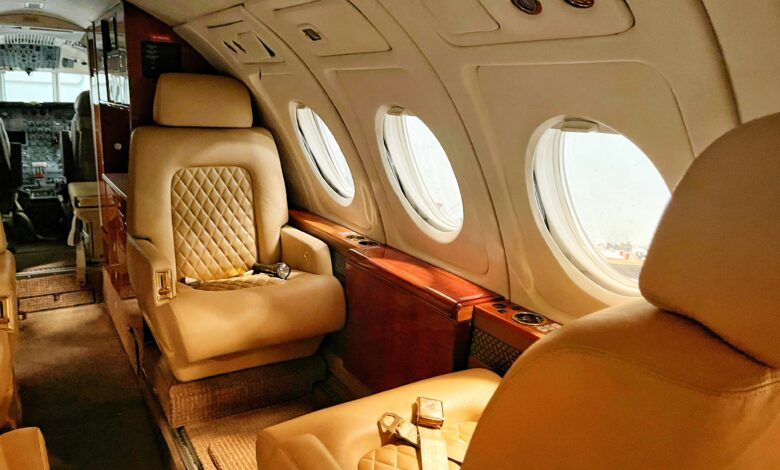
The quality of the in-flight experience is directly linked to the age and refurbishment status of the aircraft’s interior. Newer airframes often feature advanced air filtration and lower cabin altitudes, which significantly reduce the physical toll of long-distance travel.
J. Ground Transportation and Concierge
A truly seamless private jet experience extends beyond the runway to include coordinated ground transportation. Integrators often arrange for chauffeur-driven vehicles to meet the aircraft directly on the tarmac in jurisdictions where this is permitted.
Comprehensive concierge services can also handle hotel bookings, event access, and specialized security details for high-profile individuals. These services are orchestrated to ensure that the transition between air and ground is completely transparent to the passenger.
By bundling these services into a single mission profile, clients can ensure a unified standard of care throughout their journey. This holistic approach to luxury mobility is what defines the elite tier of the modern private aviation industry.
Conclusion

Private jet pricing is a complex synthesis of operational costs and market demand. Understanding the billable flight hour is the first step in financial transparency. Selecting the appropriate aircraft category ensures that the mission is cost-effective. Ancillary expenses such as landing fees are essential components of the total quote. Strategic positioning of the aircraft can eliminate unnecessary ferry flight charges.
Membership programs offer the best predictability for frequent high-value travelers. Empty legs provide an excellent opportunity for significant cost savings on specific routes. International travel requires meticulous planning for permits and customs compliance. The value of private aviation lies in the recovery of time and absolute discretion. Future travel stability depends on the successful evolution of elite aviation logic.